In the rush of modern life, we often measure our well-being by how busy, productive, or successful we appear. Physical health tends to get regular attention through checkups, exercise, and nutrition, but mental health is frequently pushed aside until something feels unmanageable. This imbalance creates a silent gap that can affect not only how we feel inside but also how we show up in work, relationships, and daily life. This is why mental health check-ins matter—they serve as both a preventative measure and a compassionate pause that helps us recognize what we need before reaching a breaking point.
Understanding Mental Health Check-Ins
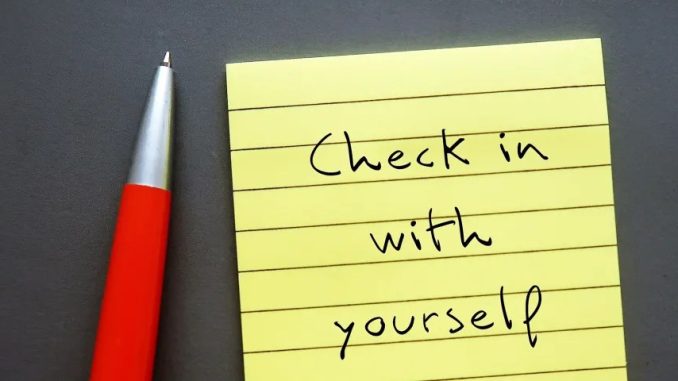
A mental health check-in is a simple but intentional practice of pausing to evaluate your emotional state. It is less about diagnosing or solving and more about listening to yourself with honesty. Asking questions such as “How am I really feeling today?” or “What has been draining my energy?” allows you to step out of autopilot. Just like a physical checkup, these moments give you valuable insights into your overall well-being, highlighting areas of stress, burnout, or emotional fatigue that might otherwise go unnoticed.
Breaking the Stigma
One of the biggest reasons people avoid mental health conversations is stigma. Many grow up believing that strength means pushing through discomfort without acknowledgment. But ignoring emotions does not make them disappear; it only buries them until they resurface in more disruptive ways, like anxiety, irritability, or physical symptoms of stress. By normalizing check-ins—whether in personal routines, families, or workplaces—we begin to rewrite the narrative. Checking in does not mean weakness; it shows self-awareness and responsibility.
The Preventative Power of Awareness
Waiting until stress becomes unbearable is like ignoring a persistent cough until it turns into pneumonia. Mental health check-ins catch patterns early. Maybe you notice you’ve been unusually tired, avoiding social connections, or feeling less motivated at work. These small signs, if acknowledged, can guide you toward rest, conversations with friends, or professional support before they escalate into something more severe. Preventative care is always less overwhelming than crisis management.
Building Stronger Relationships
Check-ins are not only about individual care—they strengthen relationships. When you ask a friend or partner, “How are you doing, really?” and listen without judgment, you open the door for authentic connection. It signals that their feelings matter, encouraging vulnerability and trust. In workplaces, leaders who check in with their teams on a human level foster environments where employees feel seen and supported. These bonds ultimately reduce isolation and strengthen community.
Supporting Productivity and Growth
Mental well-being is directly tied to performance. An unchecked buildup of stress often leads to burnout, which affects focus, creativity, and resilience. On the other hand, regular check-ins give you permission to reset. By creating small routines—journaling in the morning, pausing midday to breathe, or ending the week with reflection—you create mental clarity. This doesn’t just preserve health; it fuels productivity in a sustainable way.
Making Check-Ins a Habit
Mental health check-ins don’t need to be complicated. They can be as brief as a few mindful breaths or as structured as a weekly journal session. The key is consistency. Ask yourself:
How am I feeling emotionally, physically, and mentally right now?
What do I need more of, and what do I need less of?
Am I carrying stress that I could share or release?
By weaving these small moments into daily life, check-ins become a habit rather than a crisis response.
A Step Toward Compassion
Ultimately, mental health check-ins remind us that we are human beings, not machines. They create a space for compassion—for ourselves and others. In a world that prizes constant activity, the act of slowing down and listening becomes an act of courage. It tells us that well-being matters, that healing is not linear, and that taking care of our inner world is just as essential as caring for our physical health.