In 2025, “Buy Now, Pay Later” no longer feels like a financial tool. It feels like a default setting. From online shopping carts to in-store QR codes, BNPL options appear before many people even consider paying in full. The promise is seductive: no interest, small payments, instant approval. It looks harmless, even responsible, especially when compared to high-interest credit cards. Yet beneath its friendly language and clean interfaces, BNPL is quietly reshaping how people experience money, and not in a way that favors long-term financial health.
What makes BNPL so powerful is not its structure, but its psychology. Traditional spending forces a moment of friction. You see the full price, feel the loss of money, and make a decision. BNPL removes that friction almost entirely. The cost is fragmented, delayed, and emotionally softened. Instead of a single painful transaction, spending becomes a series of small, forgettable commitments. Over time, those commitments stack up, not just on bank statements, but on mental bandwidth.
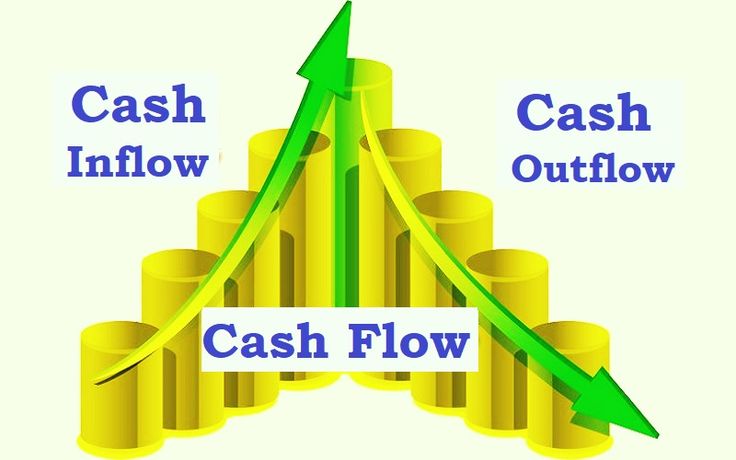
In theory, BNPL is simple. Split a purchase into four or six payments, often with no explicit interest, and move on. In reality, it creates a parallel financial system running alongside your main budget. Each plan has its own due dates, rules, and penalties. Individually, they seem manageable. Collectively, they form a hidden drain on monthly cash flow that is easy to underestimate and hard to control.
One of the most overlooked costs of BNPL is cash flow rigidity. When people think about affordability, they often think in totals. Can I afford this item? BNPL reframes the question into installments. Can I afford this payment? That shift is subtle but dangerous. Monthly income becomes pre-allocated to past purchases before it even arrives. Over time, flexibility disappears. Unexpected expenses no longer fit easily because future income is already spoken for by decisions made weeks or months earlier.
This rigidity is especially harmful in a financial environment defined by uncertainty. In 2025, income is less predictable for many people. Freelance work, contract roles, variable hours, and side hustles are common. BNPL assumes stability. Payments arrive whether income does or not. When cash flow tightens, BNPL obligations do not adjust. They simply collide with reality, forcing people to juggle bills, delay essentials, or fall into late fees that erase the original “interest-free” promise.
Another hidden cost is the normalization of lifestyle inflation. BNPL quietly shifts the baseline of what feels affordable. Items that once required saving now feel instantly accessible. This changes spending patterns over time. People do not necessarily buy more expensive items intentionally; they simply stop feeling the need to wait. The result is a higher standard of consumption supported not by income growth, but by payment fragmentation. When BNPL becomes routine, saving becomes optional, and patience feels outdated.
There is also the issue of visibility. Traditional debt is visible. Credit card balances are centralized and clearly displayed. BNPL plans are often spread across multiple apps, platforms, and retailers. This fragmentation makes it difficult to see the full picture. People may genuinely believe they are managing their finances well while carrying dozens of small obligations that collectively strain their budget. Financial stress increases not because of one large mistake, but because of many small, invisible ones.
In 2025, BNPL providers have become more sophisticated. They analyze behavior, adjust offers, and personalize limits based on usage patterns. The more reliably someone pays, the more they are encouraged to use the service again. This creates a feedback loop where responsible behavior is rewarded with increased exposure to future commitments. The system does not ask whether the user’s overall financial health is improving. It only measures repayment compliance.
What many people misunderstand is that BNPL does not replace debt. It reframes it. The absence of interest in the short term creates a false sense of safety. But the real cost is not interest; it is opportunity. Money committed to BNPL payments cannot be saved, invested, or used to absorb shocks. Each installment reduces future choices. Over time, this erosion of flexibility can be more damaging than a clearly defined loan with a known endpoint.
Another subtle effect is the distortion of financial priorities. When payments are small and frequent, they blend into the background noise of everyday expenses. This makes it harder to distinguish between wants and needs. A discretionary purchase becomes indistinguishable from a utility bill once it occupies a recurring line in the budget. The brain adapts quickly, and what once felt optional begins to feel necessary simply because it is ongoing.
BNPL also interacts poorly with human optimism. People tend to assume their future financial situation will be at least as good as their current one, if not better. BNPL capitalizes on this bias. It encourages spending based on expected stability rather than guaranteed income. When reality fails to match expectations, the gap is filled with stress, reshuffling, and often more short-term financial tools to patch the problem.
This is not to say BNPL is inherently evil or should never be used. For some, it can be a useful cash management tool when applied deliberately and sparingly. The problem arises when it becomes habitual rather than strategic. In 2025, many people use BNPL not because it solves a specific problem, but because it has been designed to feel frictionless. Convenience replaces intention, and intention is the foundation of healthy money management.
The real danger of BNPL lies in how quietly it reshapes behavior. It trains people to think in payments instead of value, in immediacy instead of planning. Over time, this mindset spills into other areas of finance. Saving feels harder, not because income is insufficient, but because future income is already allocated. Financial goals feel distant, not because they are unrealistic, but because short-term commitments dominate attention.
Breaking free from the negative effects of BNPL does not start with deleting apps or swearing off installment plans forever. It starts with awareness. Understanding that BNPL affects cash flow, not just purchase price, changes how decisions are made. When people begin to view each installment as a claim on their future income rather than a harmless convenience, spending naturally becomes more intentional.
In a financial landscape where costs rise quietly and income stability is uncertain, flexibility is a form of wealth. BNPL trades that flexibility for immediate gratification, often without making the exchange explicit. The cost is not always visible on the receipt, but it shows up later in stress, constrained choices, and the feeling of running harder without moving forward.
In 2025, the most dangerous financial tools are not the ones that look risky. They are the ones that feel safe. Buy Now, Pay Later fits perfectly into that category. It promises ease, control, and modernity, but quietly undermines the very cash flow stability people need to survive an increasingly complex financial world. Recognizing that hidden cost is the first step toward regaining control, not just over money, but over the future choices that money is meant to support.