The digital classroom has changed the way the world learns. From professional development to academic degrees, online education opens a world of opportunity where flexibility meets convenience. Yet, while anyone can enroll in an online course, not everyone becomes an effective learner. The secret lies not in the platform or technology but in the habits and mindset that help you grow, stay disciplined, and truly absorb what you learn.
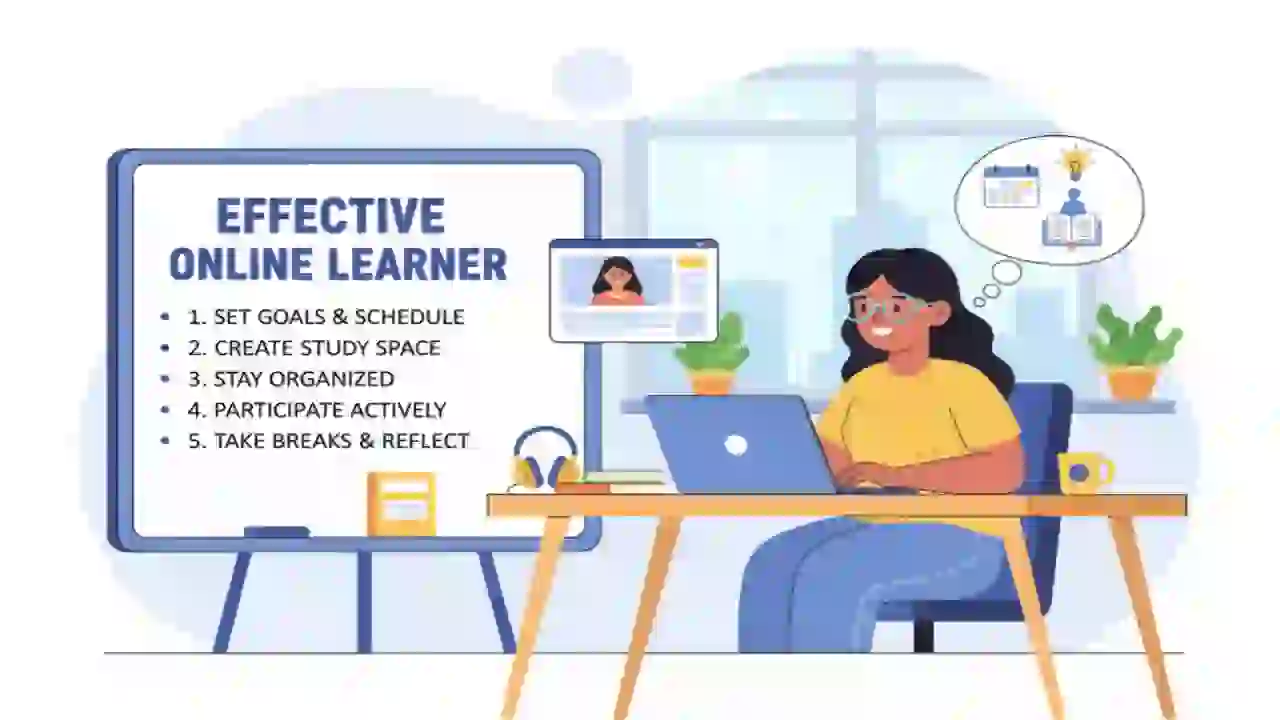
Becoming an effective online learner begins with purpose. Every successful learning journey starts with a clear reason—something personal and motivating enough to keep you moving forward. It could be the desire for a new career, a promotion, or simply self-improvement. When your “why” is strong, the rest of the process feels more meaningful. Online learning requires independence, so having a goal acts as your inner compass when motivation fades.
Another cornerstone of success in online education is discipline. The comfort of learning from home can easily turn into a trap of distraction. Without classroom structure, self-control becomes the teacher. Setting a dedicated learning space helps your mind shift into focus mode. Treating your study time as a real appointment—not a flexible option—creates consistency. It’s about building a rhythm where studying becomes a habit, not a chore.
Time management plays an equally important role. The freedom of online courses can be both a gift and a test. Those who manage their time wisely tend to perform far better than those who wait until the last minute. Planning ahead, dividing lessons into manageable parts, and sticking to deadlines ensure steady progress. It’s not about studying for hours; it’s about studying smart. Short, regular sessions often lead to better retention than long, infrequent ones.
Effective online learners also know how to engage. They don’t treat virtual education as a solitary experience. They ask questions, participate in discussions, and connect with peers or instructors. Interaction brings clarity and motivation, turning a digital course into a living community. Communication sharpens understanding, and collaboration deepens learning.
Adaptability is another trait that defines great online learners. Digital platforms, tools, and formats are always evolving, and the best learners embrace change instead of resisting it. They explore new technologies, use online resources effectively, and learn how to troubleshoot challenges along the way. In doing so, they become self-reliant problem-solvers, a skill that benefits not only their studies but also their careers.
Equally vital is the ability to maintain balance. Online learning demands mental focus but also patience and rest. Effective learners know that productivity is not about constant activity; it’s about steady energy. Taking breaks, managing screen time, and keeping a healthy routine allow the mind to stay sharp. Learning should enhance your life, not exhaust it.
Finally, reflection transforms online education from simple participation into true mastery. The best learners take time to think about what they’ve studied, how they’ve grown, and what they can improve. They measure progress not by grades alone but by the confidence they gain in applying knowledge. Reflection keeps learning personal, relevant, and sustainable.
To become an effective online learner is to combine curiosity with structure, independence with interaction, and discipline with self-care. It’s a journey of personal responsibility where success depends on consistency, not perfection. The virtual classroom rewards those who show up with purpose and stay engaged with passion. When you approach online learning with focus and intention, it becomes more than an academic pursuit—it becomes a powerful way to shape your future.